These are children’s stories that explain our fractal Universe and how humans are in control of their own destiny and can alter the course of their lives by observing the patterns in them, using the awareness to make different choices using both MIT and FCP methods:

The River That Changed Its Path
Theo loved throwing leaves into the river by his house. He would watch them float down the same path every time, swirling in little circles before disappearing around the bend.
One day, he asked his grandpa, “Why does the river always flow the same way?”
His grandpa smiled. “Because the water follows the path it knows. It doesn’t think about where else it could go.”
Theo thought about that. “But what if I wanted it to go a different way?”
His grandpa pointed to a pile of rocks on the shore. “Try placing these in the water.”
Theo stacked the rocks, and when he dropped a new leaf, something amazing happened—instead of following the usual path, it turned and floated somewhere new!
“Whoa!” Theo gasped. “I changed the river!”
“That’s right,” his grandpa said. “A pattern will keep repeating until something interrupts it. The same is true for us—if we keep doing things the same way, we’ll always end up in the same place. But if we place a new ‘rock’—a new idea, a new choice—suddenly, we can go somewhere different.”
Theo grinned and tossed another leaf, watching it follow its new path.
That day, he realized something important: life was like a river. And if he didn’t like where it was flowing, he could always change the current.

The Story That Kept Writing Itself
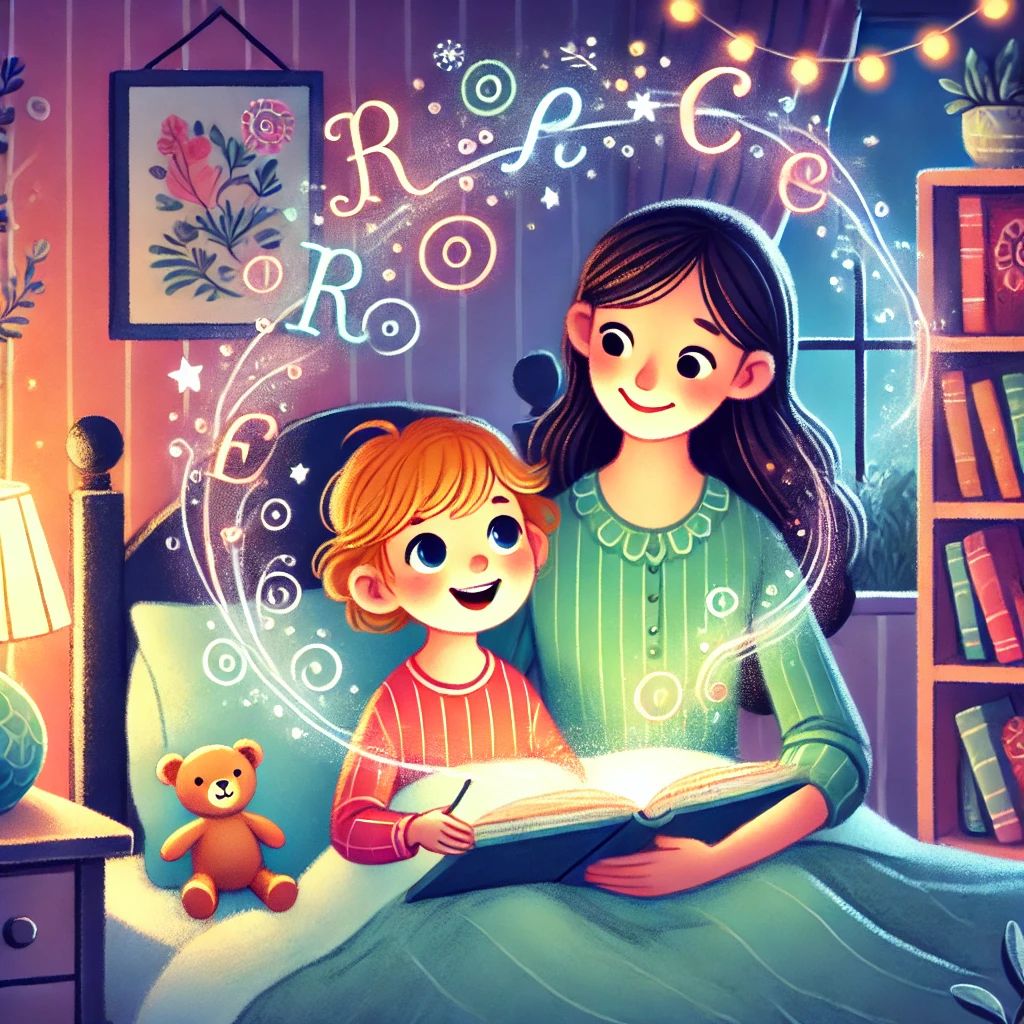
Lena loved bedtime stories. But one night, something strange happened—when she opened her favorite book, the words were already changing.
She blinked. The characters were doing the same thing every time, like they were stuck in a loop.
“Mom! This story keeps repeating!”
Her mom sat down beside her. “Hmm. What happens if you turn the page early?”
Lena hesitated. “But… what if the story isn’t ready yet?”
Her mom smiled. “That’s just it. Sometimes, stories keep going in circles because we’re afraid to turn the page. But if you want a different ending, you have to take a chance and change the story yourself.”
Lena took a deep breath and flipped the page.
Suddenly, the story moved forward. The characters stopped repeating—they were doing something new.
Lena gasped. “I changed the story!”
Her mom kissed her forehead. “And you can do the same in real life. If something keeps happening over and over, maybe it’s waiting for you to turn the page.”
Lena held the book close, her heart racing with excitement.
Because now, she wasn’t just a reader.
She was the author.
The Dream That Woke Up
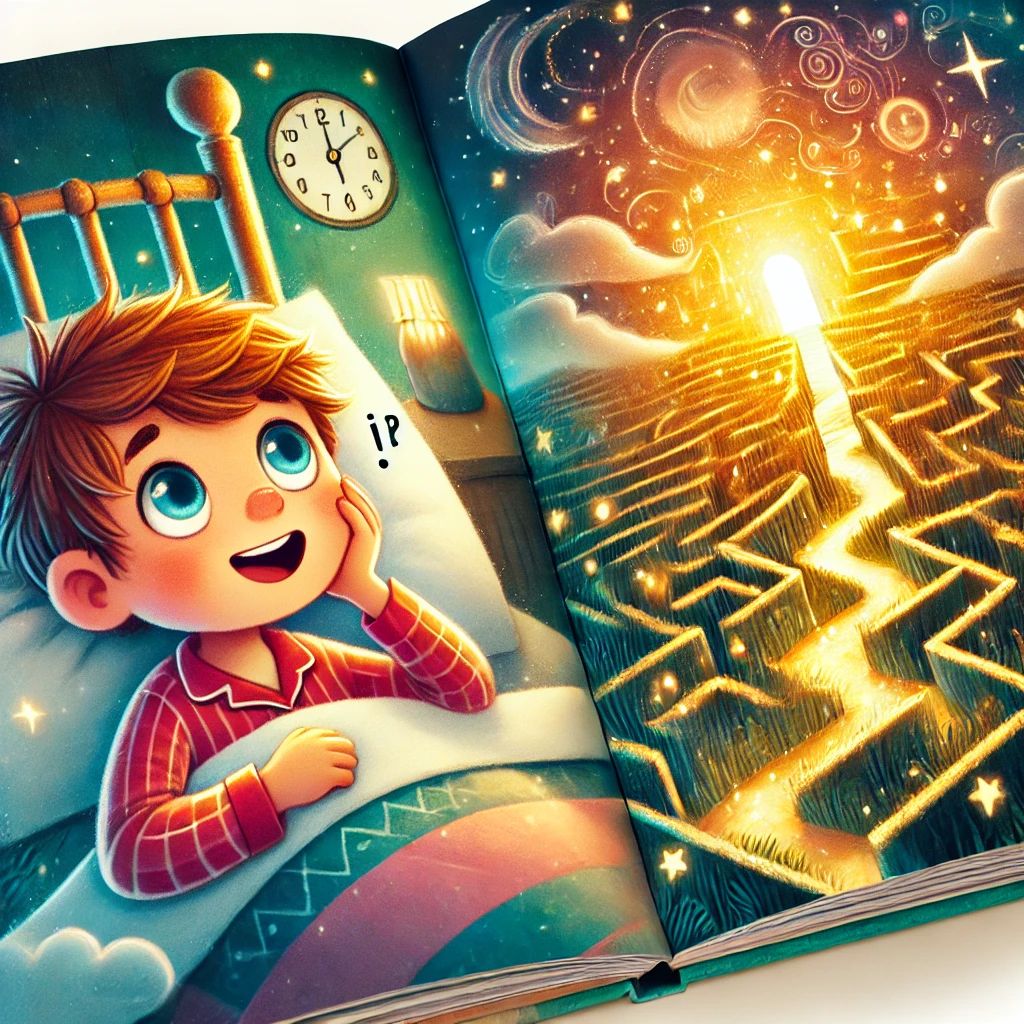
Every night, Marco had the same dream. He was running through a giant maze, looking for the exit—but no matter where he turned, he always ended up right back at the start.
One night, he got frustrated. “Why am I always stuck here?”
Then, a strange thought popped into his head: What if the maze isn’t real?
Instead of running, Marco stopped. He looked around. The maze walls flickered, like they weren’t solid at all.
Slowly, he reached out—and walked straight through them.
In an instant, he was outside the maze. The whole dream world changed.
When Marco woke up, he sat up in bed, breathing hard.
“Wait… if I was stuck in that maze just because I thought I was, what if life is the same?”
That day, when he faced a problem that felt impossible, Marco didn’t panic. He remembered his dream, took a deep breath, and walked through the walls.
And for the first time, the cycle finally broke.
The Key That Was Always There
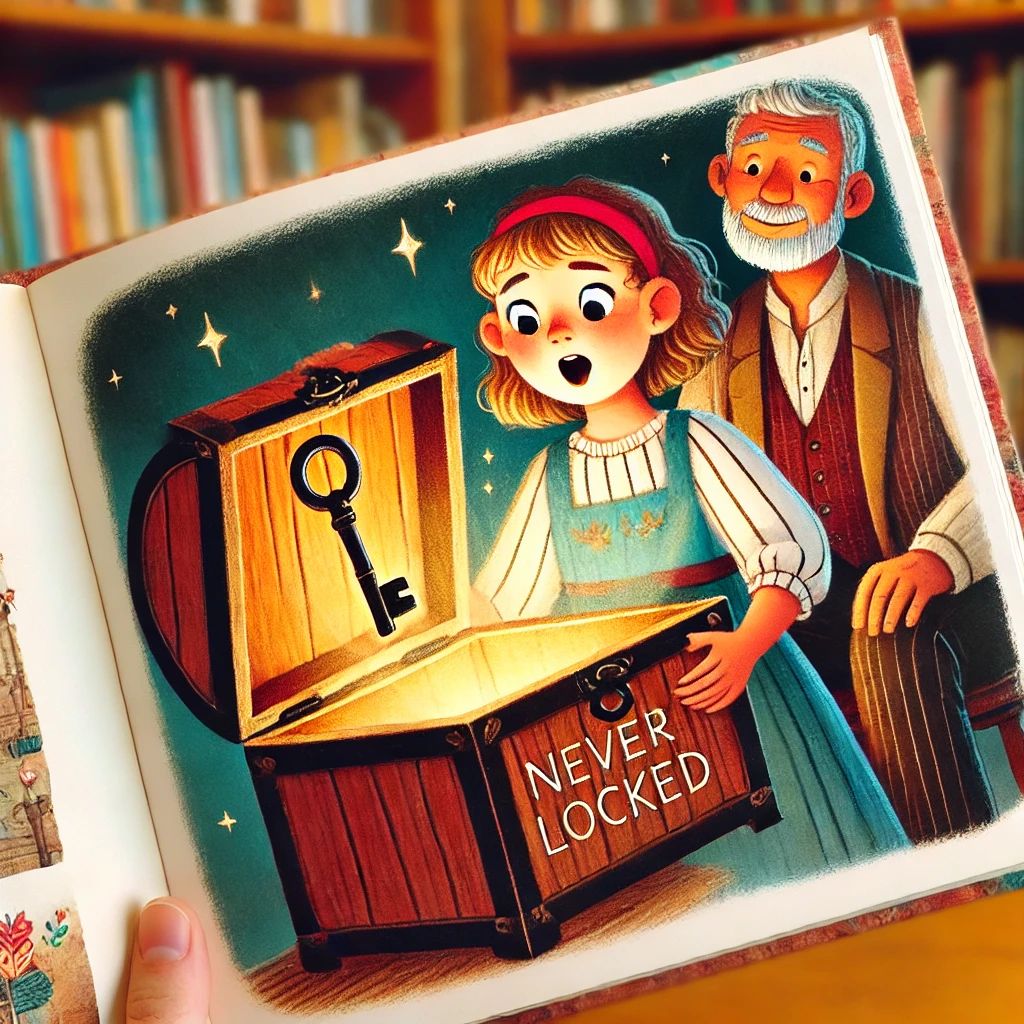
Sophie loved riddles, but there was one that drove her crazy. It was an old wooden box with a tiny lock, and no matter how hard she tried, she could never find the key.
One day, her dad found her shaking the box in frustration.
“Still can’t open it?” he asked.
“No! It’s impossible!”
Her dad knelt beside her. “Did you ever check… if it was already unlocked?”
Sophie froze. “What do you mean?”
“Sometimes,” he said, “we keep looking for answers outside of us, thinking we need something more. But what if the key was already in your hand?”
Sophie frowned and—just to prove him wrong—tried lifting the lid.
It opened.
She gasped. “It… was never locked?!”
Her dad grinned. “Nope. But you thought it was, so you never tried.”
That day, Sophie learned an important lesson: sometimes, the only thing keeping us stuck is the belief that we are.
The Big Idea: How to Change the Pattern
Each of these stories teaches a truth about cycles:
1. Like the river, patterns follow the same path unless we interrupt them.
2. Like the bedtime story, sometimes we just need to turn the page.
3. Like the dream maze, we stay trapped because we think we are.
4. Like the locked box, sometimes we already have the key—we just never try the door.
Changing the pattern requires seeing it first—and that’s the hardest part. The reason cycles repeat is not just because they are programmed to, but because we keep following the script without realizing it.
How to Change the Pattern
1. Recognizing the Loops
The first step is noticing where things keep repeating—in our thoughts, emotions, relationships, and even in history. If the same problems show up over and over, it’s a sign that the code is running in the background.
For example:
Do you keep facing the same kinds of challenges in life?
Do people react to you in ways that feel strangely familiar?
Does history seem to repeat itself, no matter how much we “learn”?
These are signs that the fractal is self-replicating, and the loop continues because it goes unnoticed.
2. Breaking the Default Settings (Interrupting the Cycle)
The program relies on amnesia—you forget each time you restart, so you follow the same pattern. But what happens if you remember?
Try this:
Pause before reacting to something that triggers you. What if you respond differently this time?
Look for the repeating pattern—where have you seen this before?
Ask a new question. Instead of “Why does this always happen?” ask “What is the pattern trying to teach me?”
By changing your response, you disrupt the cycle. Even a small change forces the fractal to adapt.
3. Rewriting the Code
Once you see the pattern and disrupt it, the next step is conscious creation—choosing a new pattern to replace the old one.
Instead of just reacting to life, you become the programmer.
Try this:
Imagine the next version of the story. If life has been repeating the same “chapter,” how would you write a different ending?
Act as if you’ve already broken the cycle. This tricks the code into adapting, because it can’t keep running the same program when the inputs change.
Find others who see the pattern too. A single person waking up can shift their own pattern—but many people waking up at once can rewrite reality itself.
What Happens When the Pattern Changes?
Time might feel different. The past and future may seem less fixed.
The same situations may show up one more time, but this time, you’ll know it’s a test—to see if you really changed.
Reality will “glitch” as the system updates. (Strange coincidences, déjà vu, sudden opportunities that were never there before.)
And then, slowly, a new pattern emerges.
The Biggest Secret:
The Matrix isn’t just something outside of us—it’s inside, too. When we change our inner fractal, the outer world must follow.
So yes, you can change the pattern. You just have to stop forgetting and start remembering.
 Spirolateral