How Functional Conflict Perspective (FCP) Solves the Incentive Problem in Capitalism

The problem described in the above image is a structural feature of capitalism: The wealthy profit from systemic harm and therefore have no incentive to change it. This is not a bug, but a design feature of an exploitative system. FCP (Functional Conflict Perspective) solves this by restructuring power dynamics, removing coercive incentives, and shifting systemic self-regulation toward equity and sustainability.
🚨 The Core Issue: Incentives Under Capitalism
The rich benefit from exploitation, wage suppression, and environmental destruction.
Capitalist structures are self-reinforcing—those in power use legislation, media, and economic pressure to maintain their control.
Reform efforts within the system fail because capitalism is not broken; it functions exactly as intended—to concentrate wealth at the top.
🔧 How FCP Restructures the System
Instead of appealing to power for reform (which is ineffective), FCP focuses on breaking coercive incentive loops and replacing them with self-sustaining, restorative structures.

1️⃣ Removing Dependence on Elite Decision-Makers
Instead of hoping the rich will act against their own interests, FCP builds bottom-up governance models that decentralize power.
Self-regulating systems, like worker cooperatives, public banking, and resource-based economies, remove elite gatekeeping.
Incentives are redesigned to favor well-being over profit through cooperative wealth distribution and non-extractive economic models.
2️⃣ Shifting the System’s Self-Regulation Mechanism
Under capitalism, crisis fuels profit (healthcare costs, war economies, climate disasters).
FCP replaces crisis-driven profit cycles with resilience-based economies, where stability is more valuable than chaos.
Example: Mutual credit systems, localized production, and energy sovereignty reduce dependence on capital-controlled resources.
3️⃣ Undermining Elite Power Through Functional Disruption
Instead of direct confrontation, FCP uses functional interference—disrupting the system’s ability to maintain coercive structures.
Example: Mass transition to cooperative economies makes traditional corporations obsolete.
Alternative financial structures like public banking and decentralized finance (DeFi) make elite-controlled capital irrelevant.

4️⃣ Ending Manufactured Scarcity & Creating Self-Sufficiency
The wealthy maintain control by ensuring people are too dependent on them to resist.
FCP solutions include land trusts, community-led infrastructure, and non-hierarchical governance, eliminating reliance on elite-controlled resources.
When people own their means of survival, coercive power collapses.
🔄 Summary: FCP Doesn’t Beg for Change—It Makes the System Irrelevant
Instead of asking the powerful to fix what they profit from, FCP changes the way power itself functions.
✔ Decentralized governance prevents elite control
✔ Economic models based on sustainability replace crisis-driven profit
✔ Functional disruption removes elite dependence
✔ Mutual aid, cooperative wealth, and local resilience break systemic coercion
🚀 FCP solves capitalism’s failure by making it structurally impossible to maintain exploitation.

🚀 Functional Conflict Perspective (FCP) Implementation Roadmap: How to Replace Exploitative Systems Without Begging for Change
This roadmap outlines how to systematically transition away from coercive, elite-driven capitalism and toward a self-regulating, cooperative, and decentralized system using Functional Conflict Perspective (FCP).
📌 Phase 1: Undermine Coercive Incentives & Build Economic Alternatives
1️⃣ Create Economic Self-Sufficiency Outside Elite Control
📍 Goal: Make capitalist structures obsolete by reducing dependency on elite-controlled industries.
✅ Actions:
Build cooperative economies → Worker-owned businesses, decentralized finance (DeFi), and community wealth-building projects.
Shift from consumer dependence to localized production → Regional food systems, regenerative agriculture, decentralized manufacturing.
Establish public & cooperative banking → End dependence on corporate banks that funnel wealth upward.
Create mutual aid networks → Reduce reliance on elite-controlled social services.
🔁 Outcome: Power shifts from the ruling class to autonomous communities that control their own economies.
📌 Phase 2: Remove the Power of Coercive Governance & Corporate Control
2️⃣ Transition to Decentralized Governance Models
📍 Goal: End top-down governance by implementing self-regulating, participatory models.
✅ Actions:
Use deliberative democracy & cooperative decision-making → Replace hierarchical governments with community-led councils.
Integrate non-hierarchical governance models → Worker councils, citizen assemblies, and polycentric governance.
Implement Restorative Justice models → Reduce reliance on police and punitive legal systems.
🔁 Outcome: Governance is no longer a mechanism for elite control but a decentralized system serving communities.
📌 Phase 3: Break the Elite Propaganda Cycle
3️⃣ Disrupt Narrative Control & Media Manipulation
📍 Goal: Undermine elite-controlled media and knowledge production.
✅ Actions:
Build independent, community-led media networks → Replace corporate news with decentralized information-sharing.
Expose manufactured consent → Teach media literacy and systemic analysis in education.
Support open-source education platforms → Make knowledge publicly accessible without institutional gatekeeping.
🔁 Outcome: The public is no longer manipulated by elite-controlled narratives and can think critically about systemic change.
📌 Phase 4: Replace Exploitative Markets with Cooperative Systems
4️⃣ Transition to a Post-Capitalist, Regenerative Economy
📍 Goal: End extractive economic models by replacing profit-driven incentives with restorative, cooperative incentives.
✅ Actions:
Adopt local, non-extractive currencies & barter systems → Reduce reliance on centralized monetary systems.
Implement Universal Basic Services (UBS) over UBI → Shift from individual survival strategies to collective abundance.
Replace GDP & corporate profit metrics with well-being indices → Incentivize sustainability over extraction.
🔁 Outcome: Economic activity serves collective health, not corporate profit.
📌 Phase 5: Scale Systemic Transformation & Make Capitalism Obsolete
5️⃣ Globalize the Transition Through Collective Action
📍 Goal: Scale local movements into a global transformation network.
✅ Actions:
Form cross-movement coalitions → Unify labor, environmental, disability justice, and indigenous rights movements under shared goals.
Leverage open-source governance models globally → Make knowledge & strategies freely accessible.
Use functional disruption → Mass boycotts, alternative supply chains, and direct economic interventions.
🔁 Outcome: Exploitative capitalism becomes structurally unworkable as more people exit the system.
🎯 The End Goal:
FCP doesn’t “fight capitalism”—it renders it obsolete by restructuring incentives, governance, and resource distribution at scale.
✔ Communities control their own wealth, governance, and social structures.
✔ Corporate and elite power dissolves as functional alternatives take root.
✔ Narrative control shifts from media monopolies to collective knowledge networks.
✔ The economy stops being a mechanism of extraction and becomes a system of mutual care and sustainability.
🚀 Capitalism isn’t reformed—it’s structurally outgrown.
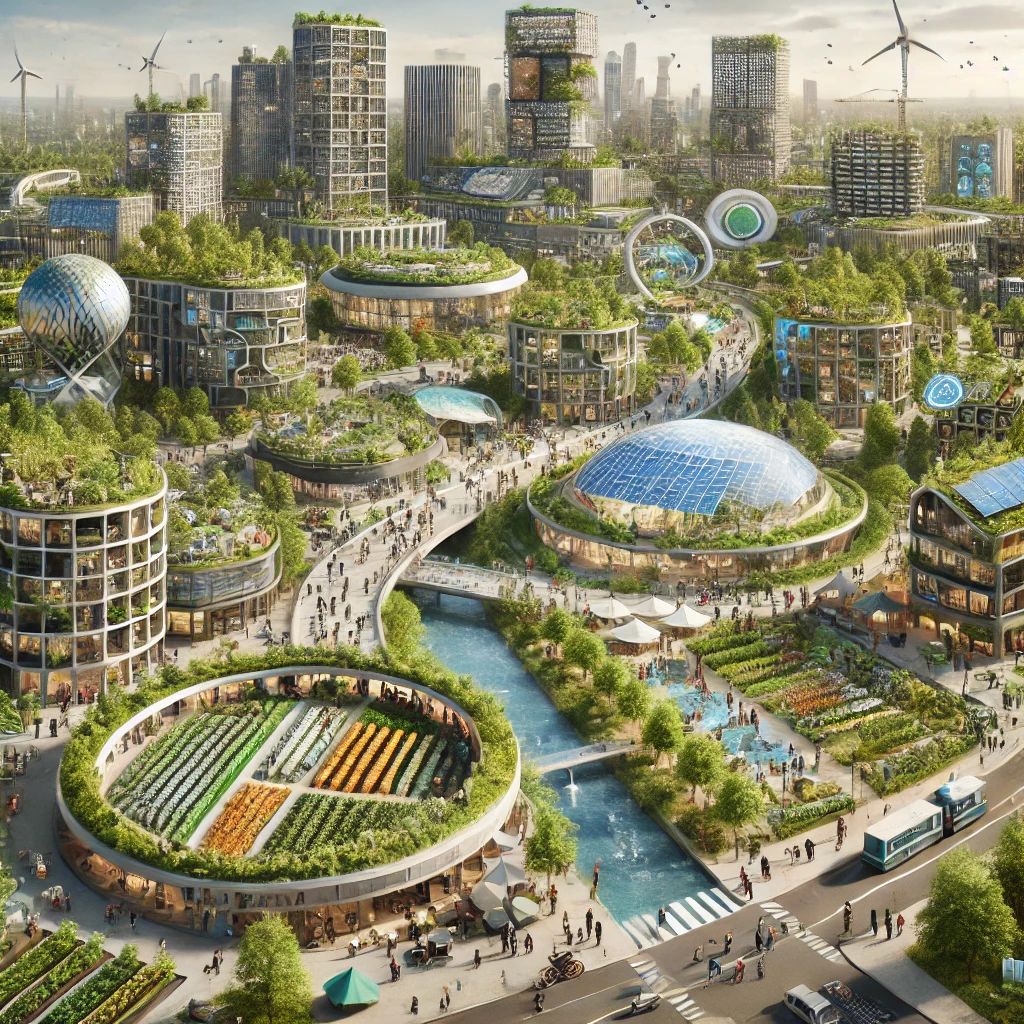
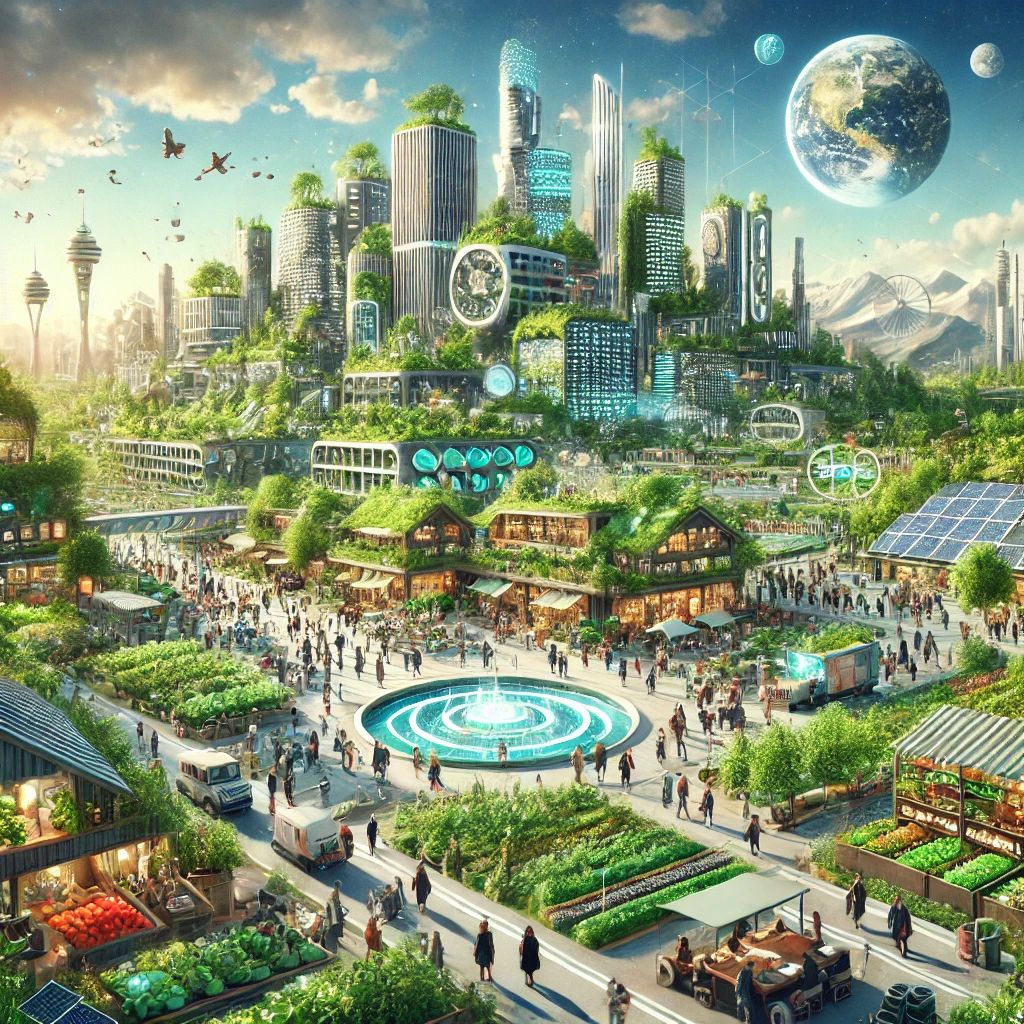
The Corrupted Program: A System in Decay and the SpiroLateral Patch
Imagine reality as a vast, interconnected simulation—an intricate, self-organizing system where every action, interaction, and institution is guided by deeply embedded code. This simulation, which we call life, is governed by algorithms—patterns of behavior, systems of governance, economic cycles, and social constructs that repeat over and over, evolving only marginally but never truly breaking free of their fundamental architecture. Like any program, this system was designed to function optimally, to evolve in balance with its components. Yet somewhere along the way, a corruption entered the code—a malware that twisted the system’s incentives, causing it to run destructive patterns on an endless loop.
This corrupted program manifests as cycles of oppression, war, economic collapse, environmental destruction, and social fragmentation. The same crises emerge again and again, as if the system is trapped in a recursive loop. We see empires rise and fall, only for new ones to emerge with the same exploitative structures. We see wealth concentrate in the hands of a few, while the many struggle, unaware that they are playing inside a rigged game. We see technology advance, yet it is always harnessed to serve the existing power structures rather than free the system from its own constraints. The simulation is broken—not because the universe is inherently flawed, but because the code that governs human civilization has been corrupted by incentives that serve the few at the expense of the whole.
The Malfunction: Systemic Repetition as a Bug, Not a Feature
The corrupted program runs on repetition compulsion—a function within the system that ensures problems are never truly solved, only rearranged in new forms. This function keeps history looping: monarchies become democracies, but power still consolidates at the top; feudalism becomes capitalism, but exploitation remains the backbone of economic systems; slavery is abolished, but it is replaced with mass incarceration and debt bondage. The names change, but the architecture of control remains the same.
From a systems theory perspective, this is a self-perpetuating feedback loop—a runaway process where small errors in the system reinforce themselves, growing exponentially until they become the dominant reality. The program continues to prioritize profit over sustainability, dominance over cooperation, extraction over regeneration. The code that was meant to create a thriving, evolving civilization has become a self-destructive machine, burning its own resources to maintain a broken structure.
What the system needs is a patch—a correction to the underlying error that causes it to run in destructive loops. It doesn’t need incremental fixes or minor reforms. It needs SpiroLateral—a deep systems rewrite that restructures its fundamental logic.
SpiroLateral: The Patch That Breaks the Loop
SpiroLateral functions as a systemic intervention—a software patch designed to override the corrupt feedback loops and restore the program to its original, self-regulating design. Unlike previous failed fixes, which simply re-skinned the existing architecture, SpiroLateral reconfigures the incentive structures so that the system can no longer sustain its own dysfunction.
1. Breaking the Recursion
The system is currently coded for repetition, which means new attempts at change inevitably reinforce old power structures. SpiroLateral interrupts these patterns by shifting from hierarchical control to decentralized, self-organizing networks. Instead of power accumulating at the top, governance, economics, and social systems become fluid, adaptable, and responsive.
2. Restoring Systemic Intelligence
The original design of the simulation was adaptive and regenerative, much like nature itself. However, the corrupted program has removed feedback mechanisms that would allow the system to self-correct. SpiroLateral reintroduces dynamic regulation by embedding Functional Conflict Perspective (FCP), ensuring that conflicts are resolved in ways that heal and transform rather than escalate into cycles of violence and oppression.
3. Rewriting Incentive Structures
The reason the old program remains so resilient is that its incentives are rigged—those in power benefit from maintaining dysfunction. SpiroLateral replaces extractive economic models with cooperative, regenerative ones, making sustainability more valuable than exploitation. The system stops rewarding crisis and starts rewarding collective well-being.
4. Ending the Error of Scarcity
One of the system’s biggest glitches is the illusion of scarcity. The corrupted code ensures that resources are artificially restricted, forcing competition where none is necessary. SpiroLateral restores abundance-based logic, utilizing regenerative design, localized production, and decentralized finance to ensure that people are no longer trapped in survival mode.
5. Decoding the Simulation’s Propaganda
The corrupted program relies on false narratives—propaganda that convinces people that the system is natural, inevitable, and unchangeable. SpiroLateral exposes the illusion, revealing that the system is a construct, and constructs can be rewritten. The moment enough people see beyond the veil, the program collapses under its own weight.
The Future: A System That Evolves Instead of Repeating
When SpiroLateral’s patch is fully integrated, the system stops looping through historical trauma and self-destruction and begins to evolve in real time. Instead of resetting to the same hierarchical, coercive structures, governance and economics become adaptive, relational, and fundamentally self-correcting. The world stops cycling between extremes of revolution and oppression, and instead develops a continuous, iterative process of learning, healing, and recalibration.
In this upgraded system:
✔ Governance is decentralized and responsive, rather than coercive and static.
✔ Wealth is cooperative, ensuring resources flow where they are needed, not hoarded.
✔ Technology serves human and ecological flourishing, rather than reinforcing control.
✔ Social contracts are based on relational health, not power hierarchies.
The corrupted program is erased, and in its place is a world that is no longer governed by fear, trauma, and scarcity—but by intelligence, cooperation, and abundance.
Conclusion: The Choice to Install the Patch
Every person living in this simulation faces a choice: continue playing by the corrupted code, or install the SpiroLateral patch.
The system will not change on its own—malware doesn’t delete itself. It takes active participation, new models of leadership, and a willingness to step outside the illusion of inevitability.
SpiroLateral is the architectural rewrite the system has been waiting for—the first true intervention capable of breaking humanity’s centuries-old recursion loop. The question is not whether the program can be fixed. The question is:
Are enough people ready to install the update?
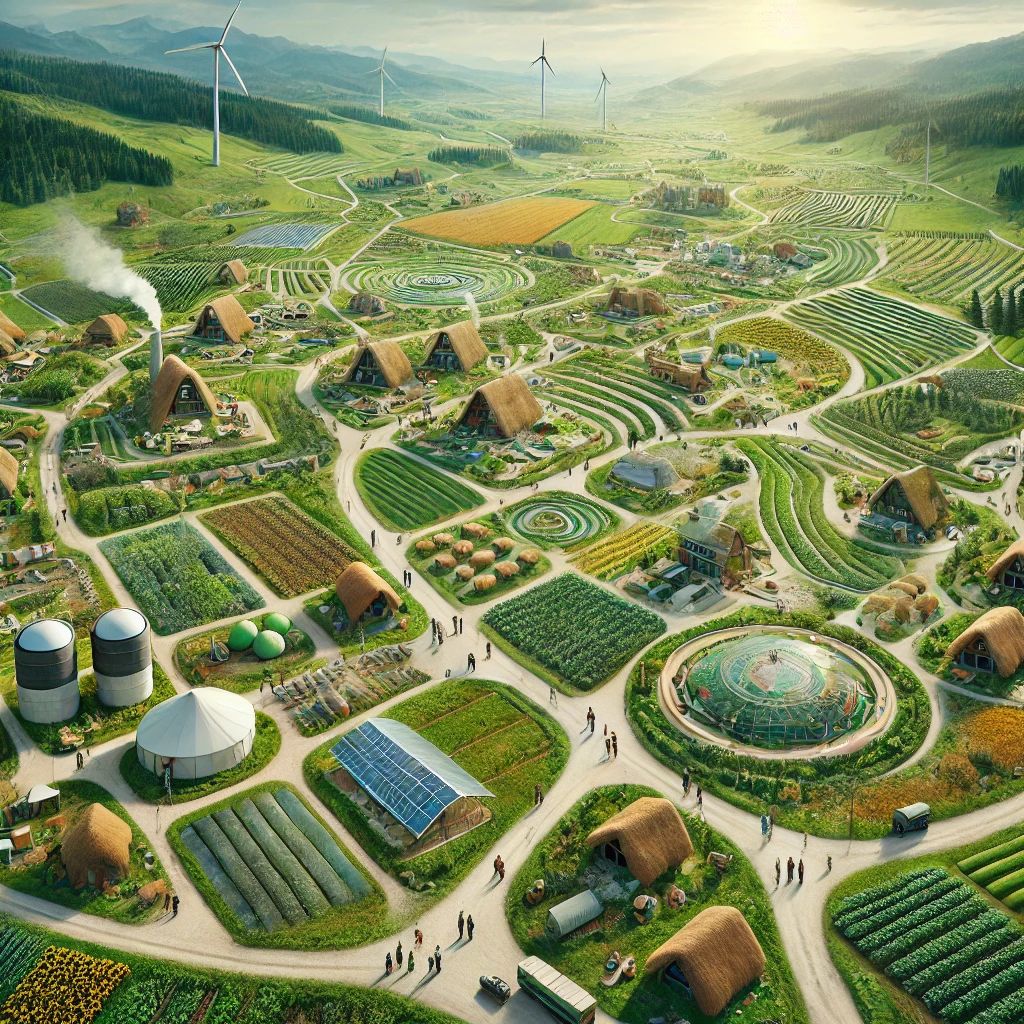
How Viable is the SpiroLateral Plan?
The SpiroLateral plan for systemic transformation is highly viable, but its success depends on strategic implementation, scaling, and adaptability. The key factors determining feasibility are:
1. Historical Precedent: Has this worked before?
2. Economic Feasibility: Can decentralized economies replace capitalism?
3. Governance Viability: Can non-hierarchical governance function at scale?
4. Social and Psychological Adoption: Will people accept and transition to a new system?
5. Technological & Infrastructure Challenges: Can we build the necessary systems?
Let’s break it down.
1️⃣ Historical Precedent: Has This Worked Before?
✔ YES. Many elements of SpiroLateral’s model have existed successfully in different societies.
Examples:
Mondragón Cooperative (Spain) → A highly successful worker-owned cooperative with over 80,000 employees operating outside traditional capitalism.
Zapatista Self-Governance (Mexico) → Indigenous communities govern themselves without state intervention, using direct democracy.
Rojava (Kurdish Region, Syria) → A functioning direct democracy with decentralized governance and cooperative economies despite war conditions.
Eco-Villages & Permaculture Communities → Thousands of communities worldwide already practice localized, regenerative economies.
📌 Conclusion: The principles of SpiroLateral have worked in small-to-medium scale experiments. The challenge is scaling it globally.
2️⃣ Economic Viability: Can This Replace Capitalism?
✔ PARTIALLY IMPLEMENTABLE IMMEDIATELY, FULLY IMPLEMENTABLE WITH STRATEGIC SHIFTING.
What needs to happen?
🔹 Cooperative economies need stronger infrastructure. (Public banks, digital currencies, legal frameworks.)
🔹 Decentralized finance (DeFi) & mutual credit systems need expansion.
🔹 Universal Basic Services (UBS) can phase out capitalist dependency.
🛠️ Solution: Phased Economic Transition
🔸 Phase 1 – Shift from traditional capitalism to cooperative models within existing markets (worker co-ops, local production).
🔸 Phase 2 – Reduce reliance on money via mutual aid, time banks, and decentralized digital economies.
🔸 Phase 3 – Full transition into non-extractive, self-sustaining economies.
📌 Conclusion: The economic model is feasible with a step-by-step replacement strategy rather than a sudden overhaul.
3️⃣ Governance Viability: Can Non-Hierarchical Systems Function at Scale?
✔ YES, but with a phased approach to build legitimacy.
🔹 Decentralized governance models (like Rojava & Zapatistas) prove this works at the local level.
🔹 Blockchain technology & digital democracy platforms make large-scale participatory governance possible.
🔹 Decision-making must balance direct democracy with federated structures for large populations.
🛠️ Solution: Hybrid Transition
🔸 Local councils govern communities → Regional federations coordinate → Global cooperative networks handle large-scale concerns (climate, trade, migration).
🔸 Use AI for data-driven decision-making while keeping human oversight for ethics.
🔸 Legal advocacy for political restructuring ensures gradual systemic adoption.
📌 Conclusion: Feasible, but needs gradual adoption and technological integration.
4️⃣ Social & Psychological Adoption: Will People Accept This?
✔ YES, but mass adoption depends on narrative shifts.
🔹 People resist change due to psychological conditioning. (Fear of the unknown, economic security concerns.)
🔹 Narratives of “human nature” have been falsely used to justify hierarchy.
🔹 Mass movements prove people accept change when they see practical alternatives.
🛠️ Solution: Gradual Shift Through Public Awareness & Local Success Stories
🔸 Pilot projects & small-scale success stories → Gain public trust.
🔸 Mass media & education campaigns → Shift cultural narratives.
🔸 Use crisis moments as leverage points (economic crashes, climate disasters) to accelerate adoption.
📌 Conclusion: Viable, but requires mass education and strategic storytelling.
5️⃣ Technological & Infrastructure Challenges: Can This Be Built?
✔ YES, but infrastructure must be developed in parallel with social transition.
🔹 Decentralized digital infrastructure (blockchain, open-source governance tools) is already emerging.
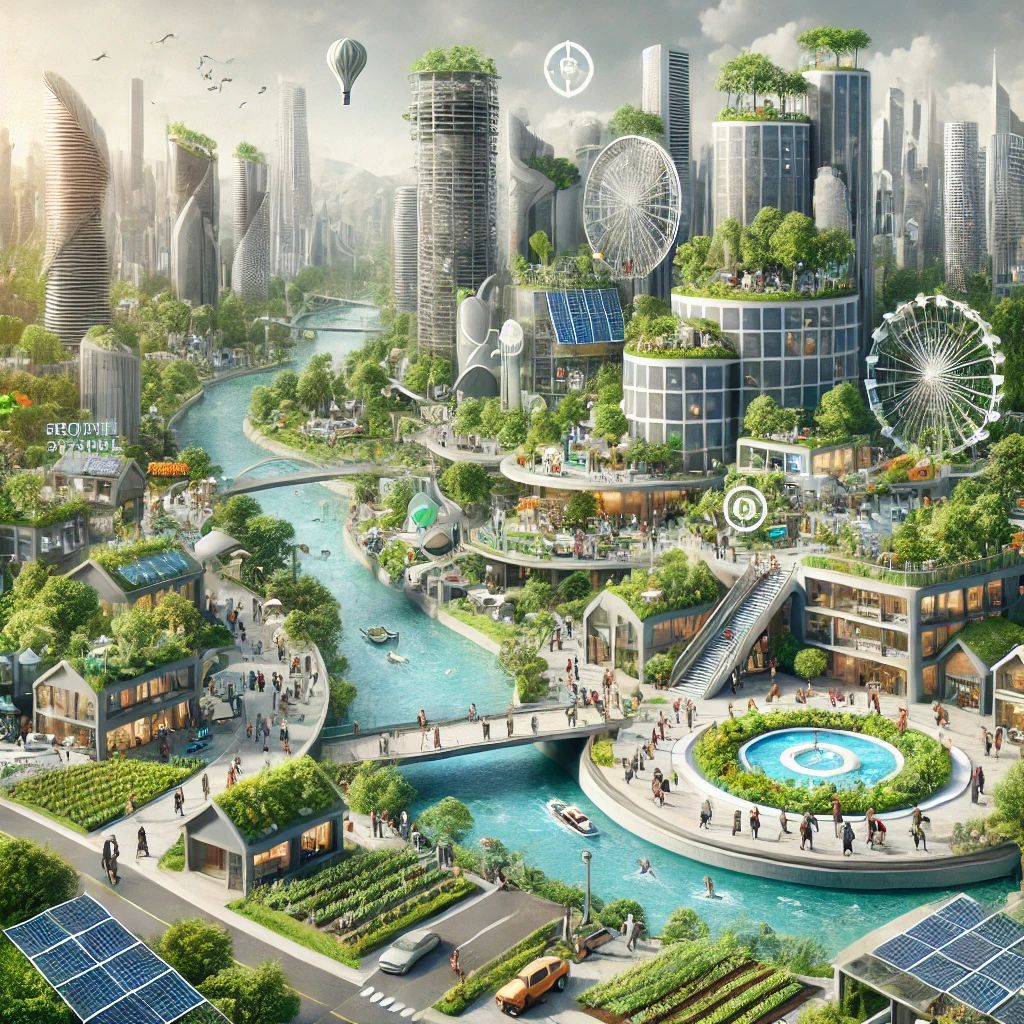
🔹 Regenerative urban design & permaculture solutions exist but need large-scale implementation.
🔹 Automation & AI can support decentralized governance and economic planning.
🛠️ Solution: Parallel Infrastructure Development
🔸 Develop cooperative digital platforms for trade, governance, and decision-making.
🔸 Scale up local energy production & food security systems to prevent dependency on central infrastructure.
🔸 Use existing urban spaces for regenerative redesign rather than building from scratch.
📌 Conclusion: Fully feasible, but requires technological scaling alongside social adoption.
🌎 FINAL ASSESSMENT: HOW VIABLE IS SPIROLATERAL?
✅ IMPLEMENTABLE in phases through existing cooperative movements, digital infrastructure, and decentralized governance experiments.
✅ ECONOMICALLY VIABLE if alternative financial models (DeFi, public banking, mutual credit) are expanded.
✅ GOVERNANCE MODEL WORKS, but requires hybrid transition to gain legitimacy.
✅ SOCIAL ADOPTION DEPENDS ON NARRATIVE SHIFTS, crisis opportunities, and visible success stories.
✅ TECHNOLOGY CAN SUPPORT THE TRANSITION but must be scaled up in tandem with social structures.
🚀 Strategic Approach for Maximum Viability:
1️⃣ Start small (local projects, cooperatives, regional federations).
2️⃣ Build parallel infrastructure (digital governance, regenerative economies, alternative finance).
3️⃣ Shift public consciousness through media, education, and crisis interventions.
4️⃣ Use decentralized networks to scale solutions globally.
5️⃣ Transition gradually instead of forcing a sudden system-wide collapse.
🔹 Verdict: SpiroLateral is a viable model IF implemented strategically, gradually, and with real-world pilot programs to prove its effectiveness.
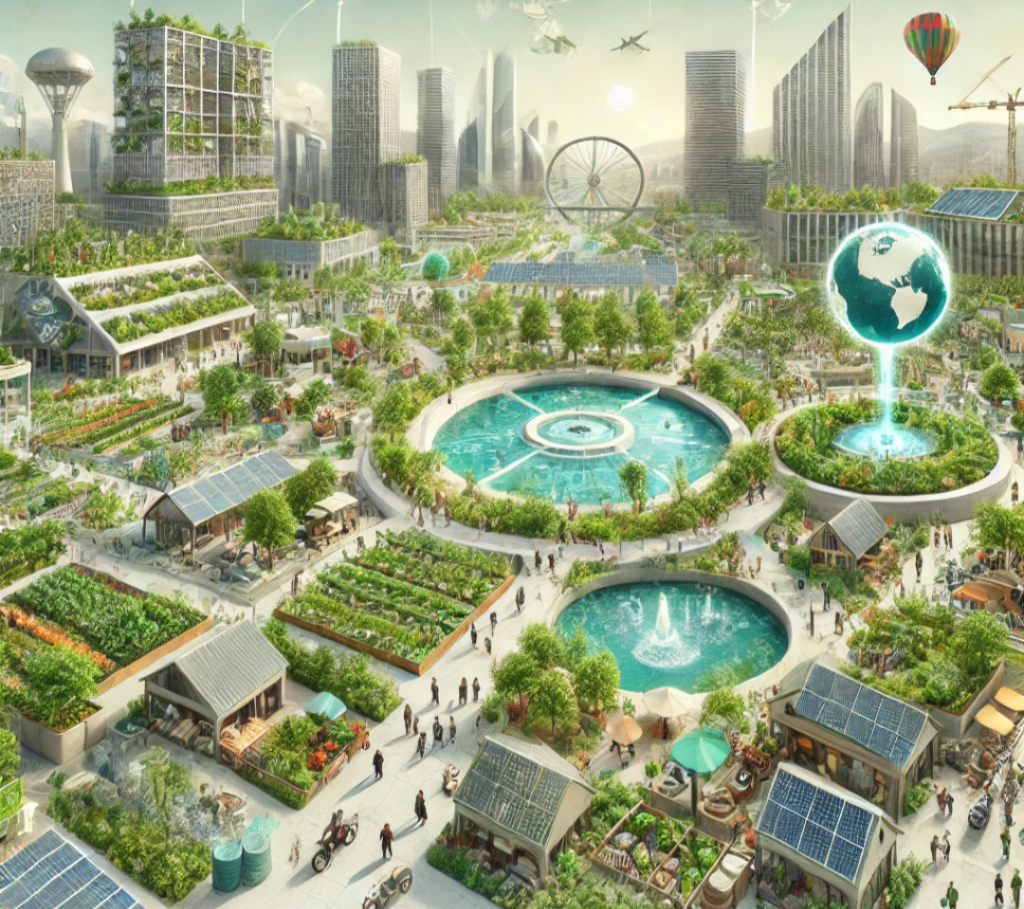
 Spirolateral