Existing Case Studies, Their Models, and Key Aspects
- Curitiba, Brazil – Transit-Oriented Development
Integrated bus rapid transit (BRT) system
Pedestrian-friendly urban planning
Emphasis on green public spaces
- Auroville, India – Cooperative Urbanism
Planned cooperative city with shared land ownership
Eco-friendly building techniques and renewable energy integration
Participatory governance and self-sustaining economy
- Mondragón, Spain – Worker-Owned Cooperative Economy
Largest worker-owned cooperative network in the world
Decentralized production and participatory decision-making
Emphasis on community wealth distribution and reinvestment
- Freiburg, Germany – Decentralized Renewable Energy
Renewable energy self-sufficiency (solar, wind, hydro)
Prioritization of public transport over cars
Car-free urban zones to enhance sustainability and livability
- Rojava, Syria – Decentralized Self-Governance
Community-led councils with direct democracy
Women’s leadership and gender-equal governance structures
Cooperative economic model with shared resource management
- Zapatista Communities, Mexico – Autonomous Indigenous Governance
Collective land stewardship and communal decision-making
Participatory democracy with rotating leadership
Localized economies focusing on self-sufficiency and resilience
- Earthship Biotecture, New Mexico – Off-Grid Sustainable Housing
Passive solar housing for energy efficiency
Water recycling and independent off-grid energy systems
Sustainable architecture using upcycled materials
- Vienna, Austria – Public Housing & Social Equity
Government-supported social housing initiatives
Rent control policies for affordability
Equitable urban planning ensuring mixed-income communities
- Malta Cooperative Economy – Decentralized Cooperative Economic Model
Worker-owned businesses forming the backbone of the economy
Financial mutual aid networks supporting community wealth distribution
Emphasis on decentralized resource management and cooperative production.
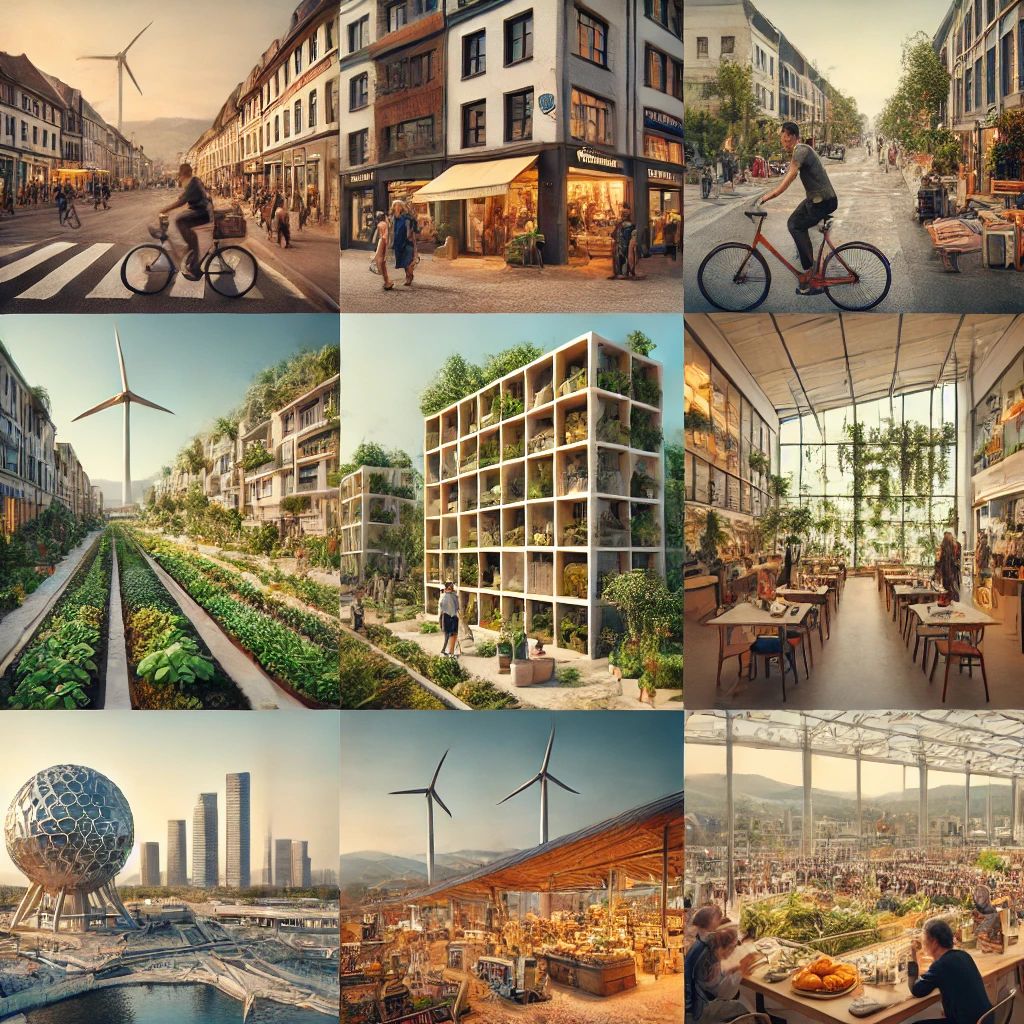
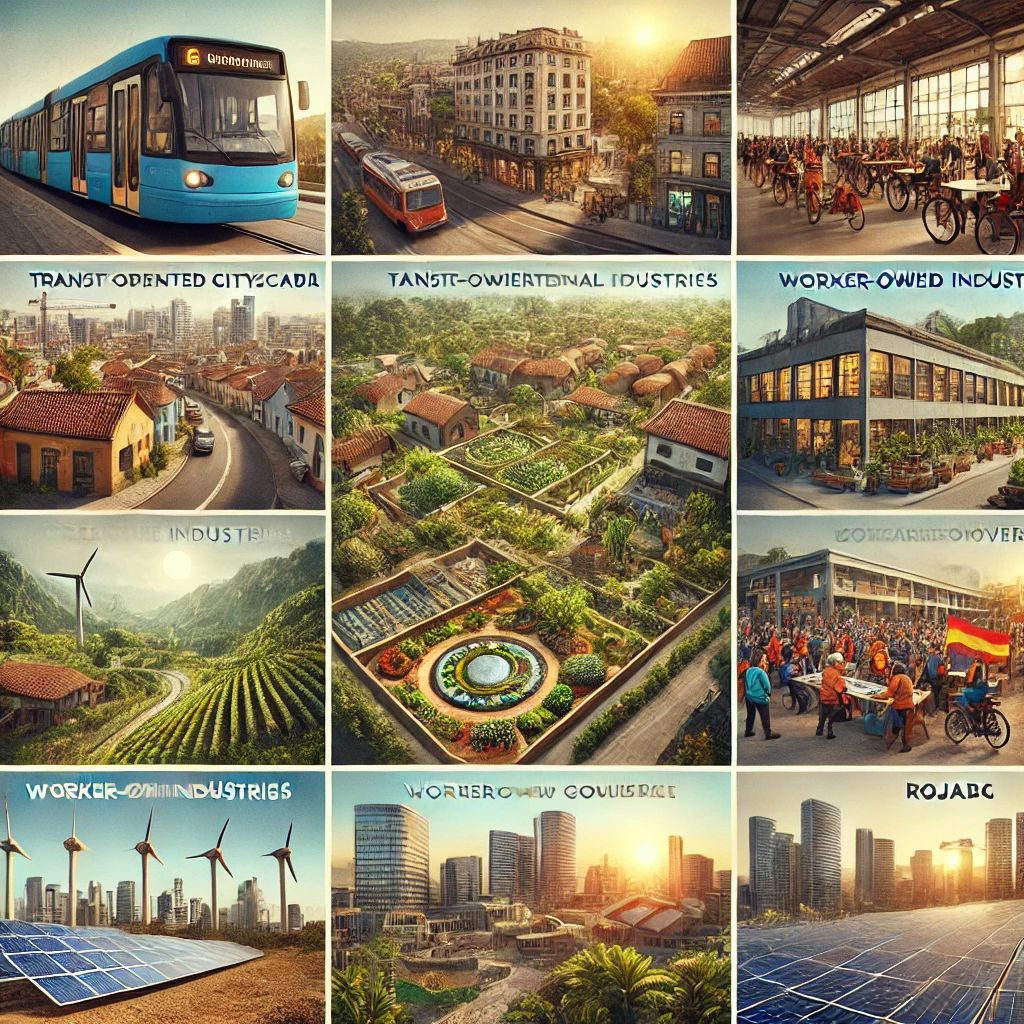


AI generated images from Chat GPT are being used here and elsewhere in the blog to provide readers with visual examples and to provide future developers numerous examples for their further expansion.

 Spirolateral